

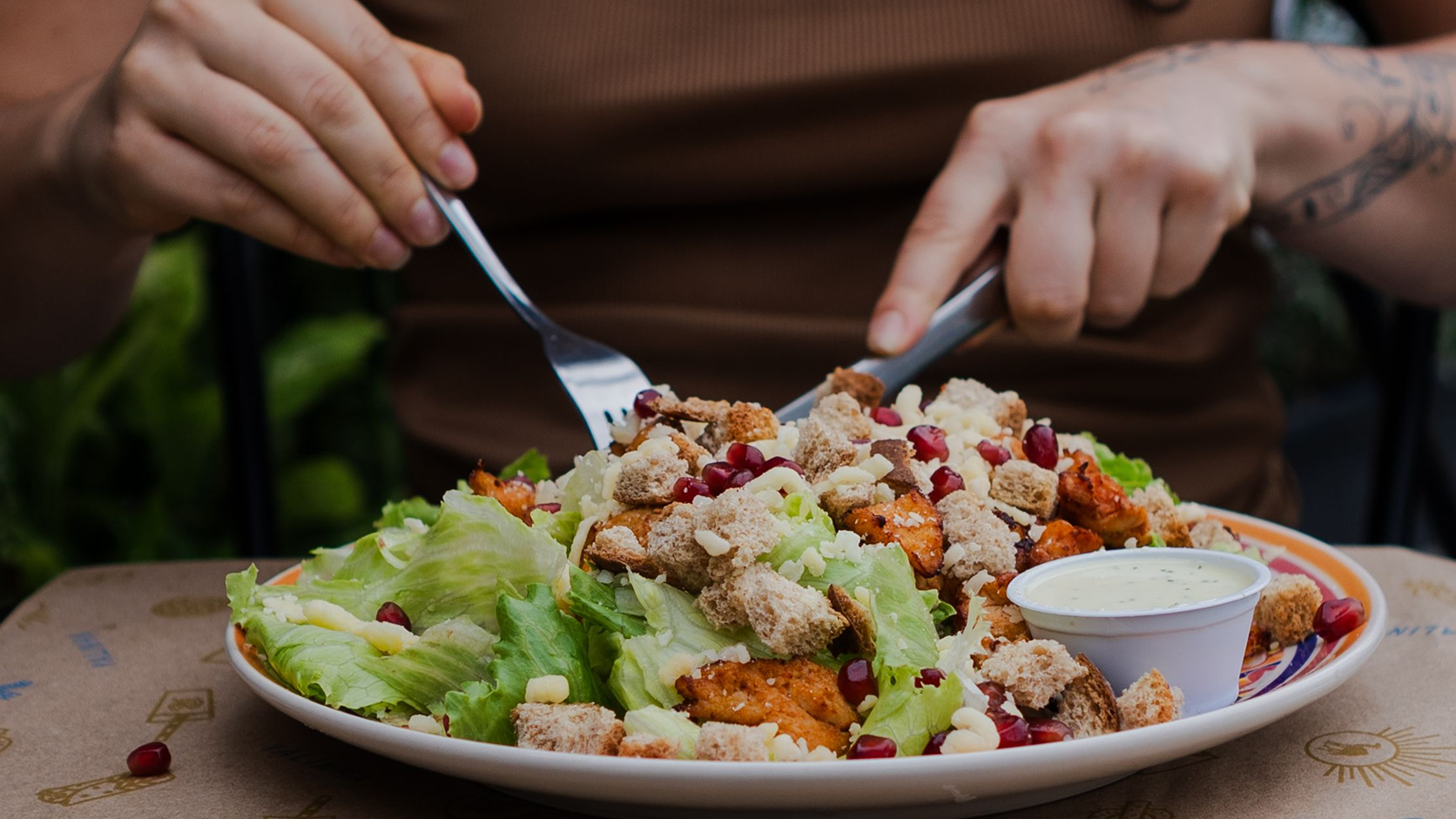
No single food quickly calms ADHD or treats its core symptoms. Regular, balanced meals can support energy, sleep, growth, and emotional steadiness. Useful choices include vegetables and fruit, whole grains, protein foods, and food sources of omega 3 fats. The benefit is nutritional support, not an instant sedative effect.
Can Food Actually Calm ADHD?
Food can reduce problems caused by hunger, irregular eating, poor sleep, or nutrient deficiency, but it does not switch ADHD off. A hungry person may be more irritable, restless, tired, or distracted. Eating can make that person feel calmer without changing the underlying neurodevelopmental condition.
This distinction prevents unrealistic claims. Feeling better after lunch does not prove that a specific ingredient treats ADHD. Symptoms also change with task interest, stress, sleep, medication timing, environment, and expectations. Persistent attention, hyperactivity, or impulse control difficulties need proper assessment rather than a food test. Our overview of common adult ADHD symptoms explains the broader clinical pattern.
The best general approach is a balanced eating pattern. Canada's healthy eating guidance emphasizes vegetables and fruit, whole grain foods, and protein foods, with water as the drink of choice. This pattern supports overall health and provides a practical foundation for people with or without ADHD.
Which Foods Are Helpful for Steadier Energy?
Meals that combine protein, fibre-rich carbohydrate, and some unsaturated fat tend to be filling and easier to sustain than a snack made mainly from refined carbohydrate. They cannot guarantee better focus, but they may reduce distracting hunger and large swings in energy.
Protein foods include eggs, fish, poultry, beans, lentils, tofu, yogurt, milk, nuts, and seeds. Whole grain options include oatmeal, barley, brown rice, whole grain bread, and whole grain pasta. Vegetables and fruit add fibre, vitamins, minerals, and variety. Olive oil, avocado, nuts, seeds, and fish can provide unsaturated fats.
A practical breakfast might pair oatmeal with yogurt and berries, eggs with whole grain toast and fruit, or tofu with vegetables and rice. Lunch could combine lentils, vegetables, and a whole grain, while a snack could pair fruit with yogurt or nut butter. The combination matters more than finding one perfect ADHD food.
Regularity can be as important as ingredients. ADHD may make shopping, planning, cooking, and noticing hunger more difficult. Keeping a few repeatable meals, visible ready to eat foods, and phone reminders can reduce missed meals. Convenience foods are not moral failures. Frozen vegetables, canned beans, plain yogurt, precooked grains, and lower-sodium canned fish can make balanced eating more achievable.
Do Omega 3 Foods Improve ADHD Symptoms?
Omega-3 fats are essential nutrients, but eating salmon does not immediately calm ADHD. Food sources still belong in a varied diet. The Dietitians of Canada nutrition guidance lists fatty fish, walnuts, ground flaxseed, omega-3-enriched foods, canola oil, tofu, edamame, and other soy foods.
Supplement evidence is inconsistent and generally shows, at most, small average effects in some groups. A review of eating and diet research describes major differences among studies, diets, doses, and participants. That makes a universal supplement recommendation inappropriate.
Food and supplements are not interchangeable. Fish also provides protein and other nutrients, while capsules provide concentrated ingredients and can have side effects or interactions. Do not replace established treatment with fish oil or assume more is better. A clinician or dietitian can review diet, allergies, bleeding risk, and product quality when supplementation is being considered.
What About Iron, Zinc, Magnesium, and Vitamin D?
These nutrients support normal body and brain function, but a supplement only makes sense when there is a nutritional need or a clinician identifies deficiency risk. Association does not prove that a low level causes ADHD, and treating someone with normal levels may not improve symptoms.
Food sources of iron include meat, lentils, beans, tofu, fortified cereal, and some leafy greens. Zinc is found in meat, shellfish, dairy foods, beans, nuts, and seeds. Magnesium occurs in legumes, nuts, seeds, whole grains, and leafy vegetables. Vitamin D sources include fortified milk or plant beverages, eggs, and fatty fish.
Do not start iron for a child or adult based only on attention problems. Excess iron can be harmful, and blood testing or clinical assessment may be needed. A registered dietitian can help improve intake without turning every meal into a treatment plan.
Should Sugar, Food Colour, or Gluten Be Removed?
Broad removal is not a standard ADHD treatment. Sugar has not been shown to cause ADHD or consistently worsen its core symptoms. Foods high in added sugar can still crowd out more nutritious choices and affect dental or metabolic health, so moderation remains useful for general health.
Artificial colours and additives may affect behaviour in a small subset of children, but results are inconsistent. NICE dietary recommendations advise against removing colours and additives as a general treatment. If one food repeatedly appears linked to behaviour, record the food, amount, timing, setting, sleep, and response, then review the pattern with a clinician and dietitian.
Gluten removal is not recommended for ADHD alone. It is necessary for celiac disease and may be appropriate for another medically identified condition. Removing wheat, barley, and rye without a reason can reduce fibre, fortified nutrients, food variety, and enjoyment.
Highly restrictive diets based on only a few foods have limited evidence of short-term benefits and uncertain long-term safety. A review of controlled diet trials found that results vary by intervention and study design. Such diets can be difficult, socially disruptive, and nutritionally risky. They require professional supervision and should not replace standard care.
How Should Eating Change With ADHD Medication?
Some ADHD medicines reduce appetite or cause stomach upset, while individual effects vary. Our ADHD medication guide covers medication and monitoring, so the focus here is nutrition.
The Canadian ADHD practice guideline suggests maximizing nutrition when appetite suppression is lower, such as at breakfast or after medication wears off. Smaller portions with more frequent snacks may also help. This is not permission to change dose or timing without the prescriber.
Monitor more than the number on a scale. Growth, energy, hydration, gastrointestinal symptoms, food anxiety, and ability to eat all matter enough. Children need particular attention because prolonged low intake can affect growth. Families can use our child and teen ADHD pathway for age-appropriate clinical support.
If appetite loss is persistent, weight is falling, growth changes, or eating becomes distressing, contact the prescribing clinician. A dietitian can help create energy-dense meals and snacks that fit sensory preferences, culture, budget, and schedule.
How Can You Build an ADHD Friendly Food Routine?
Make the easiest choice visible and repeatable. Select two breakfasts, two lunches, and several snacks that require little preparation. Store ingredients together, use a grocery list that repeats staples, and set eating reminders before hunger becomes intense.
Prepare for low capacity days. Shelf-stable beans, tuna, oats, whole grain crackers, nut or seed butter, and fruit cups packed in water can reduce skipped meals. Freezer options such as vegetables, berries, cooked rice, and simple entrées can also help. Choose products that meet individual allergy, sodium, and dietary needs.
Aim for adequacy before optimization. A simple meal eaten on time is often more useful than an ideal meal that never gets prepared. Nutrition can support a comprehensive ADHD treatment plan, but it should not carry the full burden of symptom management.
Summary
No food acts as an immediate calming treatment for ADHD. Balanced meals can support steadier energy, reduce hunger-related irritability, protect growth, and help people manage medication-related appetite changes. Choose a practical mix of vegetables and fruit, whole grains, protein foods, and unsaturated fats.
Avoid broad elimination diets and high-dose supplements without professional guidance. If a specific food seems linked to behaviour, document the pattern and review it with a clinician and registered dietitian. Nutrition works best as one part of comprehensive care.
Common Questions About ADHD, Nutrition, and Eating
Can Sensory Preferences Affect ADHD Nutrition?
Yes. Smell, texture, temperature, appearance, and mixed foods can make eating difficult for some people. Keep reliable foods available and introduce changes gradually. Marked restriction, growth concerns, or distress deserves professional assessment.
Are Frozen Vegetables a Good Choice?
Yes. Plain frozen vegetables remain nutritious, keep longer, and reduce preparation. Choose products without large amounts of added sodium or rich sauce when possible, then season them in a way the person will actually eat.
Can a Smoothie Help When Appetite Is Low?
Sometimes. A smoothie can combine fruit, yogurt or fortified soy beverage, and nut or seed butter when chewing a meal feels difficult. It should fit allergy and nutrition needs and should not become the only accepted food.
Do ADHD Medicines Need to Be Taken With Food?
Instructions vary by medicine and formulation. Food can change tolerability or absorption for some products. Follow the prescription label and ask the pharmacist or prescriber about the specific medication rather than using a general rule.
Is Binge Eating Related to ADHD?
Impulsivity, reward seeking, irregular meals, and emotional distress may contribute to loss of control eating in some people with ADHD. Recurrent binges, secrecy, shame, or compensatory behaviour need assessment from a qualified eating disorder professional.
References
Canadian ADHD Resource Alliance. (2021). Canadian ADHD practice guidelines (4.1 ed.).
Health Canada. (2020). Canada's healthy eating recommendations.
National Institute for Health and Care Excellence. (2018). Attention deficit hyperactivity disorder: Diagnosis and management.
Pelsser, L. M., Frankena, K., Toorman, J., & Rodrigues Pereira, R. (2017). Diet and ADHD, reviewing the evidence: A systematic review of meta-analyses of double-blind placebo-controlled trials evaluating the efficacy of diet interventions on the behaviour of children with ADHD. PLOS ONE, 12(1), e0169277.
Pinto, S., Correia de Sá, T., Sampaio Maia, B., Vasconcelos, C., Moreira, P., & Ferreira Gomes, J. (2022). Eating patterns and dietary interventions in ADHD: A narrative review. Nutrients, 14(20), 4332.
Unlock Food. (2025, March 5). Commonly asked questions about ADHD and nutrition.
Disclaimer: This article provides general education, not medical advice, diagnosis, or treatment. Nutrition needs differ with age, health conditions, allergies, growth, pregnancy, and medication. Speak with a licensed clinician or registered dietitian before using supplements or a restrictive diet, especially for a child.