
Meet our ADHD Specialists
Our board-certified clinicians provide comprehensive ADHD care—from assessment to personalized treatment—with over 10 years of experience delivering evidence-based, compassionate support.
Specialist Details
Canada
New Brunswick, Prince Edward Island, Newfoundland & Labrador
English
She/Her
Qualification
Specialises in
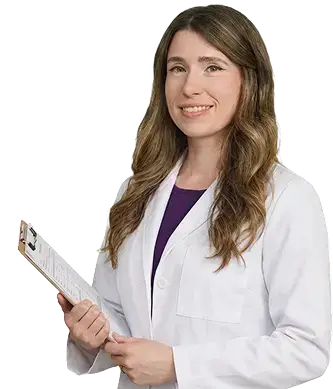
Ms. M. Pittman
Nurse Practitioner, MN NP
Member Experiences with
Ms. M. Pittman
7 Reviews
M****y
Aug 13, 2026
Michelle is great. I appreciate her honesty and pleasant demeanor.
A****r
Aug 7, 2026
I found FasTreat very convenient to use and appreciated the clear, thorough communication throughout the application process and follow-up. Michelle was incredibly helpful during my first appointment. She was compassionate and understanding when I shared the things I have been struggling with, and she reassured me that many of these experiences are common symptoms of ADHD. I also expressed that I was nervous about trying medication, as I had never taken medication for my mental health before. Michelle took the time to explain in detail how the medication she prescribed works and what I could expect from it. By the end of the appointment, I felt much less anxious and was actually excited to give it a try. Overall, I found Michelle to be very professional, compassionate, and genuinely committed to supporting me. I had a very positive experience with FasTreat and would highly recommend it to anyone looking for a supportive and understanding experience.
C****e
Apr 28, 2026
Michelle was awesome, she genuinely seemed to care about what I had going on and went over options with me. She was friendly, and knowledgable!
