

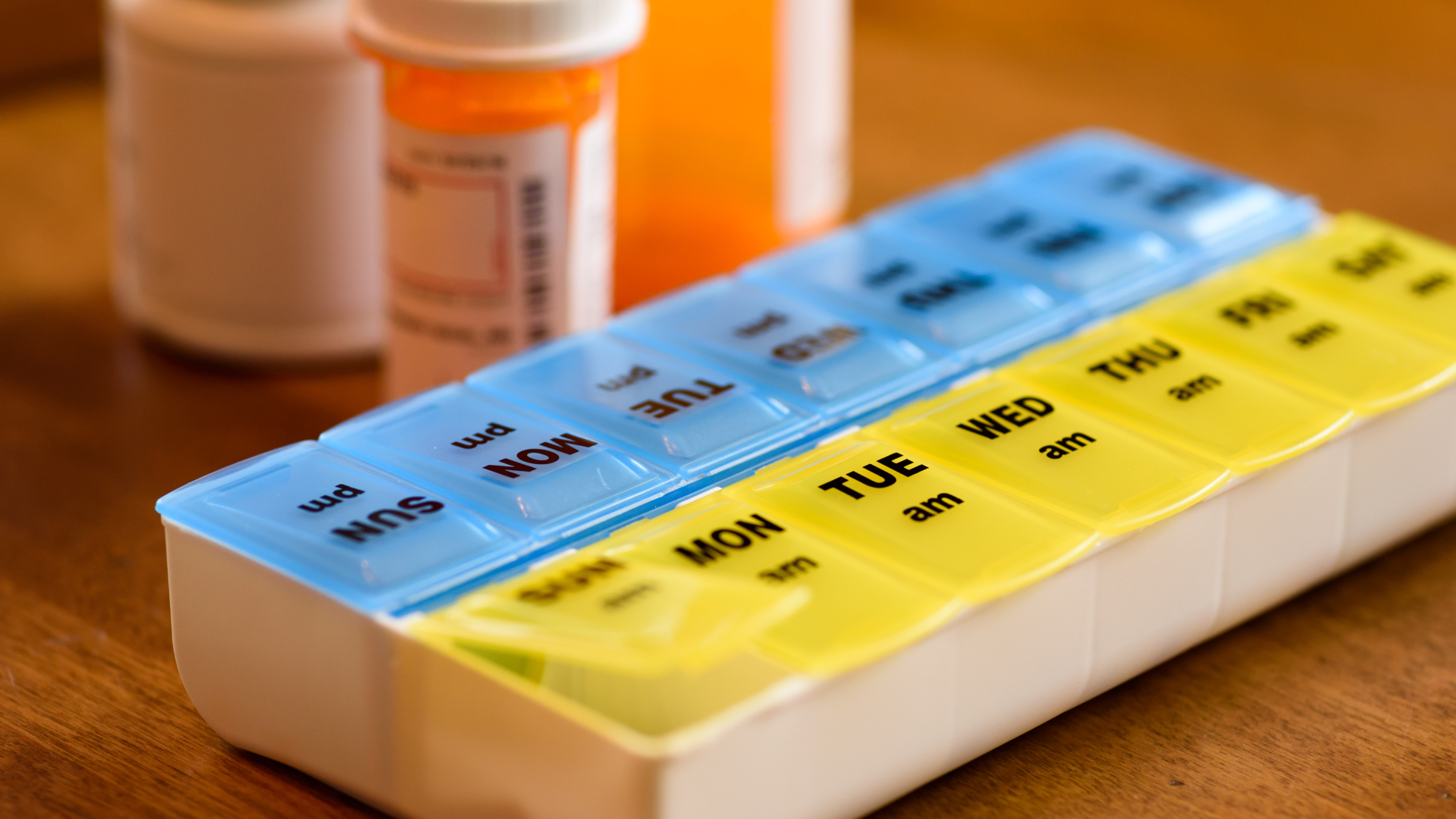
Starting new medication often feels like standing on the edge of a diving board. You feel a mix of excitement for the potential changes and nervousness about the unknown. For individuals diagnosed with Attention-Deficit/Hyperactivity Disorder (ADHD), the prescription of Vyvanse (lisdexamfetamine) is a significant step toward managing a chaotic mind.
The first thirty days are crucial. They form the period where your body adapts, the dosage gets tuned, and new habits must take root. Navigating such a transition requires a roadmap. The following guide breaks down the biological shifts, weekly timelines, and essential lifestyle adjustments required to thrive during the initial month of treatment.
Understanding the "Smart" Delivery System
Vyvanse is unique among stimulants because the drug is a "prodrug." The capsule contains lisdexamfetamine, which is biologically inactive when swallowed. The molecule holds no power until it enters the bloodstream. Once there, red blood cells perform a specific job: they act as microscopic scissors, cutting away a protein (lysine) to release the active medicine, d-amphetamine, gradually.
Such a mechanism creates a smoother experience compared to older stimulants. Instead of a sudden jolt of energy followed by a sharp drop, the drug provides a gentle rise in focus. The design limits the potential for abuse and allows the effects to last anywhere from 10 to 14 hours, covering the majority of a waking day. Because the activation happens in the blood and not the stomach, eating acidic foods does not ruin the absorption, though urinary acidity can still speed up how fast the drug leaves the body.
The First Month Timeline: A Week-by-Week Breakdown
The initial thirty days rarely follow a straight line. Most patients experience distinct phases, moving from initial relief to physical adjustment and finally, stabilization.
Week 1: The Honeymoon Phase
The first few days often bring a profound sense of clarity. For many, the mental "noise" quiets down for the first time in years.
- The Experience: Patients frequently report a mood lift or mild euphoria. Tasks that usually feel impossible, like folding laundry or answering emails, suddenly seem manageable. The brain receives a steady supply of dopamine, the neurotransmitter responsible for motivation and reward.
- The Trap: Enjoy the relief, but understand that the euphoria is temporary. The feeling of being "high" or overly happy will fade, leaving behind the true therapeutic benefit: focus. Chasing the initial mood lift often leads to unnecessary dose increases.
- Physical Shifts: Your body might react with a slightly elevated heart rate or dry mouth. Some people feel "wired" or struggle to sleep if they take the capsule too late in the morning.
Week 2: The Reality Check
As the novelty wears off, the real work begins. The brain starts to adapt to the new chemical baseline.
- Diminishing Euphoria: The mood-boosting effects typically subside. You might feel like the medication is "not working" as well as it did on day one. Usually, the drug is still effective, but the extra dopamine rush is gone. The goal is a quiet, focused mind, not a buzz.
- Appetite Suppression: Hunger signals often vanish. You might forget to eat until 4:00 PM, only to find yourself "hangry" (hungry and angry) and exhausted. Dopamine regulates appetite, and when those levels are high, the drive to eat decreases.
- Titration: The standard starting dose is 10 - 20 mg. If symptoms persist or wear off too early, your doctor might increase the dosage by 10 mg or 20 mg during these follow-up weeks to find the "sweet spot".
Week 3: Managing the "Crash"
During the third week, patterns emerge. You might notice a distinct dip in energy in the afternoon.
- The Crash: As the medication leaves the system, usually 10 to 12 hours after dosing, dopamine levels drop. The shift can cause irritability, sudden fatigue, or a mood slump. It feels like the ADHD symptoms return all at once.
- Adjustments: Countering the crash involves strategy. Eating a protein-rich snack around 3:00 PM creates a fuel buffer. If the crash is severe, doctors sometimes prescribe a small "booster" dose of a short-acting stimulant to soften the landing.
Week 4: Stabilization
The end of the month marks the transition from "starting" to "maintaining."
- Evaluation: At that point, side effects like headaches or jitters usually resolve. You should have a clear sense of how long the medication lasts and whether the dose feels correct.
- Routine: The habit of taking the pill, eating breakfast, and staying hydrated becomes second nature. You stop focusing on the medication and start focusing on living your life.
Essential Survival Strategies
Medication is a tool, not a cure. To get the best results, you must support your body with the right building blocks.
The Protein Priority
Your brain builds dopamine from amino acids found in protein. Taking Vyvanse without eating is like trying to drive a car with no gas: the engine is on, but it won't go far.
- The Strategy: Aim for 20 to 30 grams of protein within an hour of waking up. Eggs, Greek yogurt, or a protein shake work well. A high-protein breakfast stabilizes blood sugar and provides the raw materials for the medication to work effectively throughout the day.
Hydration and Dry Mouth
Stimulants are diuretics, meaning they cause the body to lose water.
- The Problem: Dehydration leads to headaches and fatigue, often mimicking a "crash". Additionally, "cottonmouth" is a very common side effect. A dry mouth lacks saliva, which protects teeth from decay.
- The Fix: Sip water constantly. Electrolyte powders can help retain fluids better than plain water. For dry mouth, use gum or mints containing xylitol. Xylitol stimulates saliva flow and prevents bacteria from damaging your teeth, whereas sugary candies will only accelerate cavities.
The Caffeine Conflict
Coffee and Vyvanse are both stimulants. Combining them often leads to overstimulation.
- The Reaction: Mixing the two can cause heart palpitations, anxiety, and jitters. It puts unnecessary stress on the cardiovascular system.
- The Advice: Cut back or eliminate caffeine during the first month. Once you know how the medication affects you, some people slowly reintroduce a small cup, but many find they no longer need it.
A Note for Women: The Hormone Factor
Biological females face an extra variable: the menstrual cycle. Hormones play a massive role in how ADHD medications feel.
- The Luteal Drop: In the week before a period (the luteal phase), estrogen levels plummet. Estrogen aids dopamine function. When estrogen drops, dopamine drops, and ADHD symptoms often flare up.
- The Effect: Many women report that their medication feels completely ineffective during these few days. It is not a tolerance issue; it is a hormonal one. Tracking your cycle helps you anticipate such days so you do not panic and assume the prescription has stopped working.
Summary
The first month on Vyvanse acts as a period of calibration. From the initial honeymoon phase to the eventual stabilization, the journey involves finding the right balance between dosage, nutrition, and lifestyle. Success relies on more than just the capsule; it depends on protein-rich breakfasts, proper hydration, and patience with the process. Anticipating the side effects and understanding the biological timeline turns a potentially rocky transition into a manageable step toward a focused future. Always communicate openly with your healthcare provider to fine-tune the regimen for your unique brain chemistry.
| Phase | Typical Experience | Key Strategy |
|---|---|---|
| Week 1: | Clarity, mild euphoria, dry mouth. | Hydrate with electrolytes; use xylitol gum. |
| Week 2: | Euphoria fades, appetite drops. | Eat a high-protein breakfast before dosing. |
| Week 3: | Afternoon energy dip (Crash). | Schedule a protein snack at 3:00 PM. |
| Week 4: | Routine stabilizes. | Evaluate dosage effectiveness with your doctor. |