

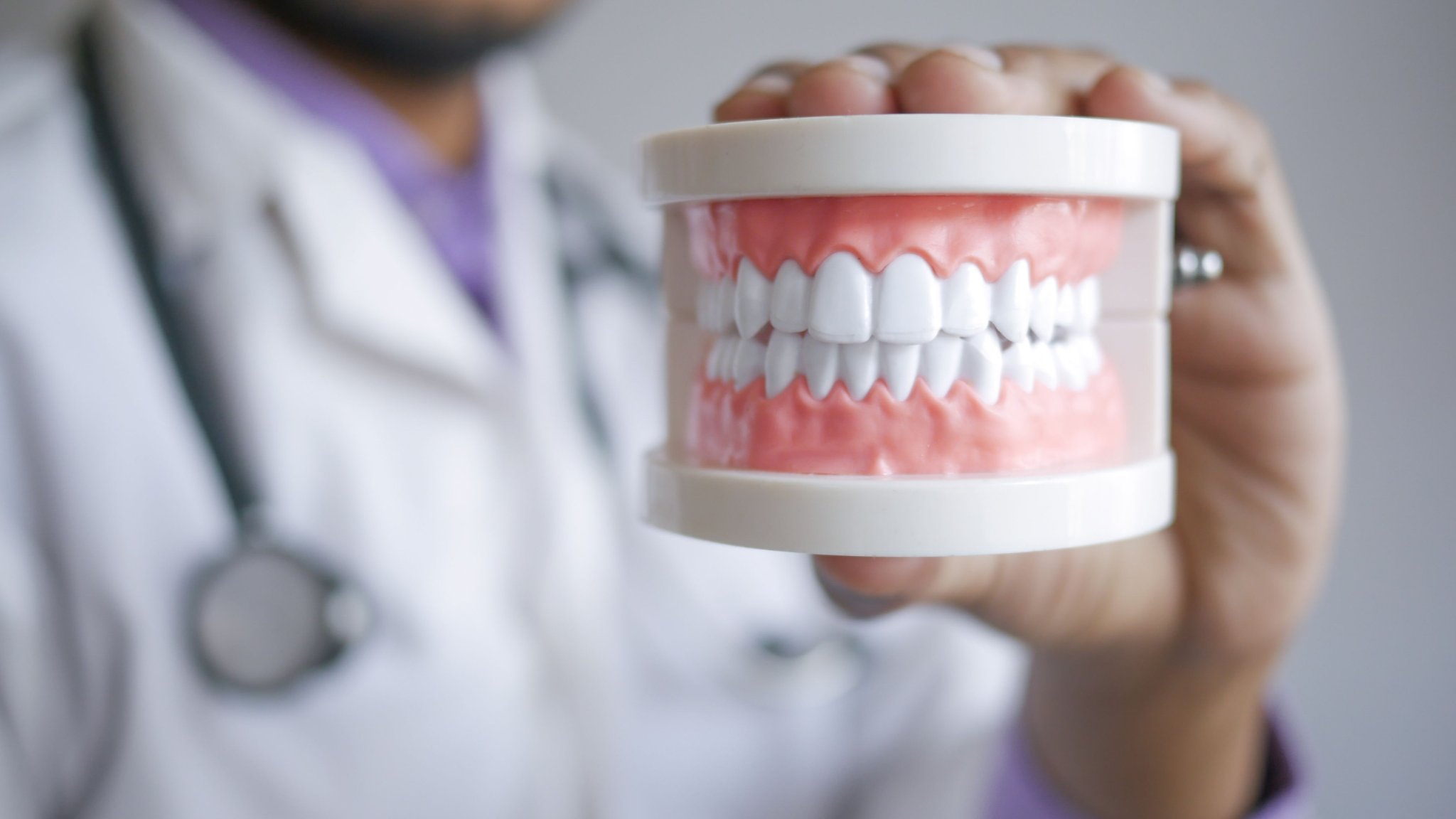
Dental care looks simple from the outside: brush, floss, book checkups, repeat. For many adults with ADHD, those small steps can feel strangely heavy. Missed routines can bring pain, embarrassment, and fear of judgment, even when someone deeply wants a healthy mouth.
Why Does ADHD Affect Teeth?
ADHD does not damage teeth directly. The link often starts with routines that need planning, timing, memory, sensory tolerance, and follow-through.
Daily Hygiene Needs Planning
The National Institute of Mental Health describes ADHD as involving inattention, restlessness, impulsivity, and trouble staying organized or keeping on task. A bedtime routine asks the brain to notice the time, stop another activity, walk to the sink, brush long enough, clean between teeth, and repeat tomorrow.
Canada.ca oral health advice recommends brushing for about two minutes twice daily, flossing daily, using fluoride, checking the mouth often, and seeing an oral health professional regularly. Those steps sound small, yet each step carries a start point, a sequence, and a finish point.
Time Blindness Skips Care
Many adults with ADHD know what to do, but lose the moment to do it. A person may mean to brush after one more video, then wake up on the couch. Morning care may vanish during a late start for work.
Skipped care can feel private, but teeth keep score. Plaque, dry mouth, and frequent sugar exposure can raise risk over time, especially when missed care repeats for weeks or months.
Sensory Friction Adds Weight
Mint taste, foam, gagging, buzzing brushes, bathroom light, and the feeling of floss can all add resistance. A task that looks quick can feel too loud, too sharp, or too boring.
ADHD often turns dental care into a demand for steady attention. A kinder plan treats brushing and flossing as support needs, not character tests.
How Does Dental Anxiety Grow?
Dental anxiety often grows in a loop. Missed care leads to symptoms, symptoms lead to fear, and fear leads to more delay.
Shame Turns Into Avoidance
A study on adult ADHD and dental anxiety found a higher prevalence of ADHD among adults with high dental anxiety, and researchers urged extra attention for those patients. Fear may include pain, cost, lectures, bad news, or feeling trapped in the chair.
A 2023 study of adult oral health related quality of life found lower oral health-related quality of life among adults with ADHD compared with healthy comparison adults. Oral health can affect eating, speaking, confidence, dating, work, and sleep, so anxiety may grow far past the dental office.
Loss of Control Feels Intense
Cleveland Clinic notes that fear of dentists can involve pain, needles, noise, smells, choking, embarrassment, past negative dental experiences, and a loss of control. ADHD can amplify those stressors because sensory input, waiting, and uncertainty may already strain the nervous system.
A person may cancel because the appointment feels unbearable. After cancellation, shame rises, teeth worsen, and the next appointment feels even bigger.
The real issue is not laziness. It is a cycle where executive dysfunction and dental fear feed each other.
Is ADHD Linked to Poorer Oral Health?
Research remains smaller for adults than for children, yet the pattern deserves attention. Evidence points toward worse oral health experiences, more anxiety, and more need for practical support.
- Adult dental anxiety research found increased ADHD prevalence among highly anxious dental patients.
- Adult oral health quality research found reduced oral health-related quality of life among people with ADHD.
- A review of dental fear and anxiety describes dental fear as a barrier to healthy oral behaviours and oral health outcomes.
- Canada.ca lists tooth decay consequences such as pain, eating difficulty, lost work or school time, infection, and abscesses.
Those findings do not mean every adult with ADHD will have dental disease. They do mean dental teams and patients can look for risk earlier, before fear and cost rise.
Can ADHD Medicine Affect Oral Health?
ADHD medicine helps many adults function better. Some side effects can still matter for the mouth, so dental teams should know what a patient takes.
- MedlinePlus lists dry mouth as a possible side effect of methylphenidate.
- MedlinePlus also lists dry mouth and teeth grinding as possible effects linked with dextroamphetamine and amphetamine.
- The National Institute of Dental and Craniofacial Research explains that lasting dry mouth can raise the risk of tooth decay and oral fungal infections.
- Appetite shifts can change meal timing. Some adults eat more snacks late in the day after medicine wears off, which can strain teeth when sugary foods or drinks are involved.
Never stop or change ADHD medicine without a prescriber. Bring medicine names, dose timing, dry mouth symptoms, and jaw soreness to the dentist, physician, nurse practitioner, or pharmacist.
Oral health planning works best when ADHD treatment and dental care speak to each other. A small medication side effect can become manageable once the team sees it early.
What Daily Habits Help Most?
The best ADHD dental routine is not the perfect routine. The best routine is the one that survives tired evenings, busy mornings, and low motivation.
- Put a toothbrush where life already happens, such as beside the shower, near a work bag, or next to skin care.
- Use toothpaste that feels tolerable. Mild flavour, less foam, or a smaller brush head can reduce sensory resistance.
- Set a phone alarm with one direct label, such as Teeth Now. Keep the action tiny enough to start.
- Use an electric brush timer or a simple two-minute song. Canada.ca guidance supports about two minutes of brushing twice daily.
- Swap floss for floss picks, soft picks, or an interdental brush if string floss never happens.
- Place water near the bed if dry mouth appears. Ask a dental professional about saliva support, fluoride, and sugar-free gum.
- Book the next visit before leaving the clinic. Ask for text reminders, email reminders, or a phone call.
A routine can be small and still protect health. Repetition matters more than a dramatic reset after months of avoidance.
What Should Dentists Know?
A dental visit can become easier when the clinic treats ADHD as relevant health information. A short script can help patients ask for what they need.
- Say: I have ADHD, and dental care can trigger anxiety for me.
- Ask for a clear plan before tools go in the mouth.
- Agree on a hand signal for breaks.
- Request short appointments if long visits feel overwhelming.
- Ask staff to avoid shame-based comments about missed care.
- Choose morning appointments if medication and focus work better earlier.
- Ask for written aftercare steps before leaving.
Dental teams do not need to become ADHD specialists to help. Calm pacing, plain language, reminders, and consent can lower fear for many patients.
When Should You Seek Help?
Seek dental care soon if pain, swelling, bleeding gums, loose teeth, broken teeth, dry mouth, or jaw pain keep coming back. Canada.ca warns that tooth decay can lead to pain, eating difficulty, lost time from work or school, infection, and abscesses.
Seek mental health support if fear blocks needed care, causes panic, or leads to repeated cancellations. Severe dental fear can improve with gradual exposure, relaxation skills, cognitive behavioural therapy, and a dental team willing to move at a clear pace.
Cost also matters for many Canadians. The Canadian Dental Care Plan helps eligible Canadian residents with some dental care costs, and applications for the 2026 to 2027 benefit year are open on Canada.ca.
Needing help is normal. ADHD friendly dental care starts with smaller steps, clearer systems, and less shame.
What Should You Remember?
ADHD can turn dental care into a planning, memory, sensory, and anxiety challenge. Missed habits are not moral failure. A smaller routine, a kinder dental team, a clear appointment script, and early treatment can protect teeth while reducing fear. Canadians with cost concerns can also review public dental coverage options.