

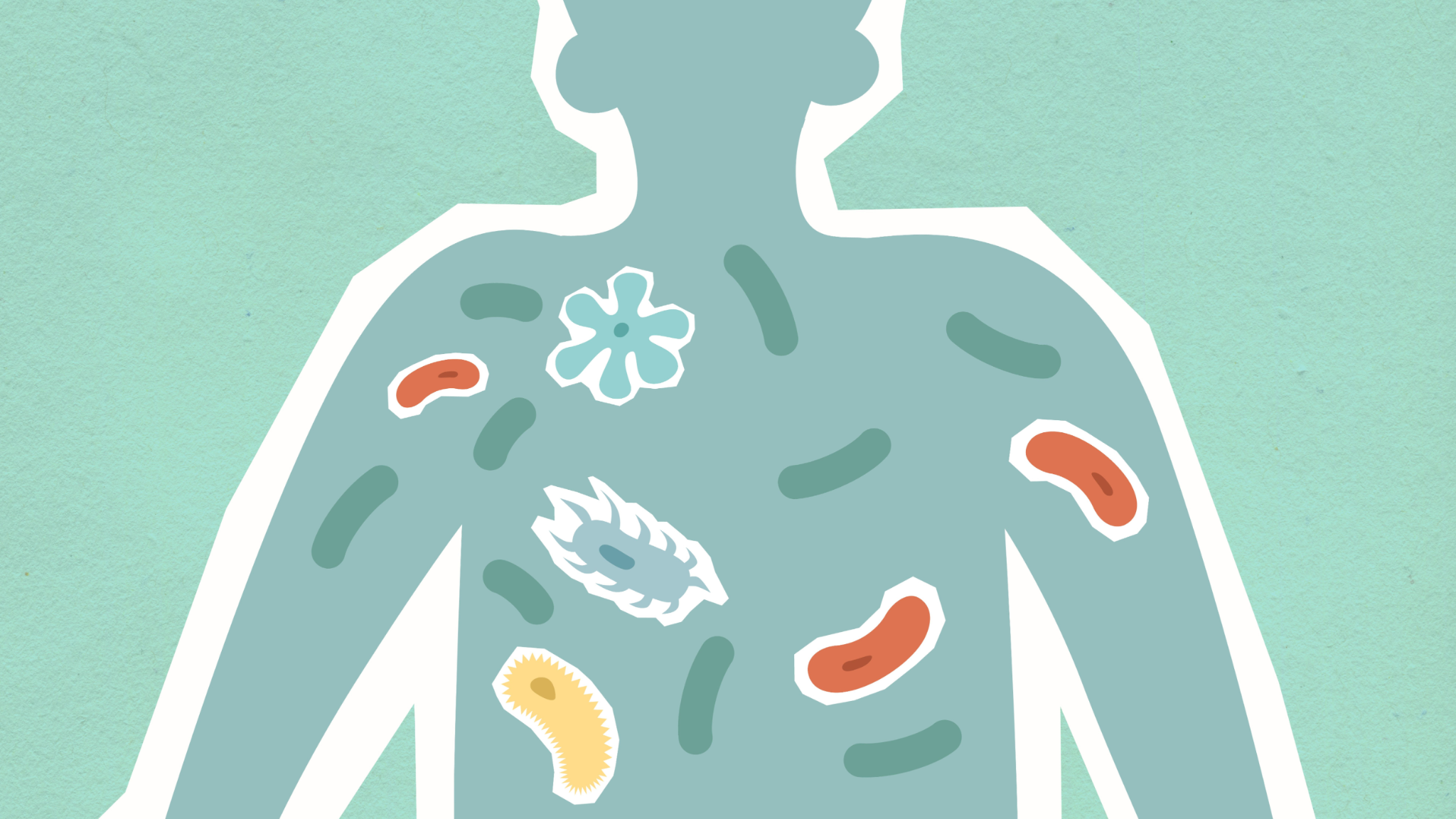
Focus is not produced by the gut alone, but the gut can influence systems that affect attention. For adults with ADHD, gut health matters most when it supports steady energy, sleep, inflammation control, medication tolerance, and fewer digestive distractions during daily life.
What Does Gut Health Mean?
Gut health refers to digestion, bowel regularity, gut barrier function, immune signaling, and the community of microorganisms living in the intestinal tract. The NIH describes the human microbiome as a major research area because microbes live on and in the body and may affect health in multiple ways.
ADHD and Gut Health should not be framed as a simple cause-and-cure story. ADHD is a neurodevelopmental condition involving attention, impulsivity, and activity regulation. The gut is better understood as one modifiable influence on the body systems that can make focus easier or harder.
In practice, gut health becomes relevant when digestive symptoms interrupt concentration or a poor diet destabilizes energy. It also matters when an adult is considering probiotics, fibre, or dietary changes alongside standard ADHD care.
Can the Microbiome Affect Focus?
The gut communicates with the brain through nerves, immune messengers, hormones, metabolites, and stress pathways. A review of the gut brain axis describes bidirectional communication between the gastrointestinal tract and the central nervous system, including emotional and cognitive centres.
Metabolites May Influence Brain Signaling
Gut bacteria ferment certain fibres into short-chain fatty acids. Reviews of short-chain fatty acids describe their role in microbiota gut-brain communication, immune regulation, and neuroendocrine signaling. This does not prove that fibre treats ADHD. It supports a more modest point: diet can change microbial metabolites that interact with brain-related systems.
Inflammation Can Affect Mental Clarity
When digestion is disrupted, some people experience fatigue, discomfort, poor sleep, or stress. Those states can worsen attention in anyone, and they may be especially costly for people already managing ADHD. Gut health is therefore not just about bacteria names. It is about reducing avoidable body signals that compete with attention.
Digestive Symptoms Compete With Attention
Bloating, reflux, constipation, diarrhea, or abdominal pain can pull attention away from work and relationships. Adults with ADHD may also delay meals, forget water, eat irregularly, or rely on convenience foods during high-demand periods. Those patterns can worsen gut symptoms and make focus feel less stable.
The microbiome is one pathway, not the whole explanation. The clearest benefit of gut support is often less physiological noise during the day.
What Does Research Say About ADHD?
Research on ADHD and Gut Health is promising but not settled. A systematic review of ADHD gut microbiome studies found associations between microbiome features and ADHD risk or severity, but an association does not prove cause. Another systematic review reported many bacterial taxa across studies, while noting that no single finding explains the precise relationship between ADHD and gut microbiota.
The adult evidence is smaller than the child evidence. A 2024 double-blind randomized controlled trial in Scientific Reports tested a multi-strain probiotic in college students with ADHD and reported improvements in hyperactivity, gastrointestinal symptoms, and academic performance after three months. That probiotic trial is useful, but it does not mean every probiotic works for every adult or that probiotics replace medication, therapy, sleep care, or coaching.
The strongest interpretation is cautious. The microbiome may be involved in ADHD-related function for some people, but current evidence does not support microbiome tests or supplements as stand-alone ADHD treatment.
Which Eating Patterns Support Clarity?
Food choices that support gut health usually overlap with general healthy eating. Health Canada recommends vegetables, fruits, whole grain foods, and protein foods as part of healthy eating patterns.
| Goal | Practical Food Pattern | Why It Matters for Focus |
| Steadier energy | Protein at breakfast and lunch | Reduces large hunger swings that can worsen impulsive snacking |
|---|---|---|
| More microbial fuel | Beans, lentils, oats, barley, fruit, and vegetables | Fibre feeds fermentation and supports bowel regularity |
| Fewer crashes | Less sugary drinks and highly processed snacks | Reduces rapid energy swings and low nutrient density |
| Better medication tolerance | Regular meals and hydration | May reduce appetite-related irritability or stomach upset |
| Lower digestive load | Gradual fibre increases | Helps avoid bloating from sudden dietary changes |
Health Canada notes that dietary fibre is found in fruits, legumes, nuts, seeds, vegetables, and whole grains, and that Canadian women need about 25 grams per day while men need about 38 grams per day. Most Canadians get roughly half that amount.
For ADHD and Gut Health, the best plan is usually simple. Regular meals, fibre-rich plants, enough protein, water, and fewer ultra-processed defaults do most of the work.
Are Probiotics Worth Trying?
Probiotics may help some digestive conditions and may eventually become part of more personalized mental health care, but product-specific evidence matters. The NIH NCCIH explains that many probiotics are sold as supplements and that a probiotic marketed to treat disease must be proven safe and effective through clinical trials before drug approval. That probiotic guidance is important because the label "probiotic" does not describe one uniform intervention.
Adults with ADHD should be especially cautious about expensive supplement stacks that promise instant focus. A reasonable trial, if approved by a clinician, should be simple: one product, a clear dose, a start date, a symptom log, and a stop date if there is no benefit. Track stool pattern, bloating, sleep, appetite, focus, mood, and medication side effects.
People who are immunocompromised, seriously ill, pregnant, or managing complex gastrointestinal disease should ask a clinician before using probiotics. Food-based changes are usually the safer first step.
When Should You Seek Medical Advice?
Gut symptoms are common, but some signs need medical review rather than self-experimentation.
- Blood in stool, black stool, unexplained weight loss, persistent vomiting, or fever
- New digestive symptoms after age 50
- Severe abdominal pain or symptoms that wake you from sleep
- Ongoing diarrhea or constipation despite basic diet changes
- Suspected celiac disease, inflammatory bowel disease, or medication side effects
- Appetite loss that interferes with ADHD medication adherence or nutrition
Medical advice is also useful when dietary restriction becomes rigid. Eliminating many foods can reduce nutrient intake, increase stress, and make ADHD meal planning harder.
Summary
ADHD and Gut Health is a useful topic when it stays evidence-based. The microbiome may influence focus through gut-brain signaling, metabolites, inflammation, sleep, and digestive comfort. The most reliable first steps are regular meals, fibre-rich plants, protein, hydration, and careful use of probiotics only when evidence and safety fit the person.
FAQs
Q1. Can Gut Health Improve ADHD Symptoms?
Gut health may improve factors that influence attention, such as sleep, energy, digestive comfort, and inflammation, but it is not a proven stand-alone ADHD treatment. Some studies show microbiome differences in ADHD and early probiotic trial results are interesting. The evidence is still developing, so gut support should complement standard ADHD care, not replace it.
Q2. What Foods Are Best for ADHD and Gut Health?
Start with regular meals built around protein, vegetables, fruit, whole grains, legumes, nuts, seeds, and water. These foods provide fibre and nutrients that support bowel regularity and microbial fermentation. Adults with ADHD often benefit from easy repeatable meals, such as yogurt with oats, lentil soup, eggs with whole grain toast, or salmon with rice and vegetables.
Q3. Do Probiotics Help Adults With ADHD?
They might help some adults, especially those with digestive symptoms, but evidence is not strong enough to recommend probiotics for every adult with ADHD. Strain, dose, duration, and the person's health status matter. If you try one, use a single product, track symptoms for a defined period, and discuss risks with a clinician if you have medical complexity.
Q4. Can Poor Gut Health Cause Brain Fog?
Digestive problems can contribute to brain fog indirectly through pain, poor sleep, dehydration, irregular eating, inflammation, or stress. That does not mean the gut is always the root cause. Brain fog can also come from ADHD itself, depression, anxiety, anemia, thyroid disease, sleep apnea, medications, substance use, or burnout, so persistent symptoms deserve medical assessment.
Q5. Should I Get a Microbiome Test for ADHD?
Most adults do not need a commercial microbiome test for ADHD. Research links ADHD with microbiome differences, but the field has not established a diagnostic microbial signature or a personalized treatment algorithm for routine care. Money is usually better spent on food quality, medical assessment of digestive symptoms, ADHD treatment, sleep care, and sustainable meal systems.
Disclaimer
This article provides general education and does not diagnose ADHD, digestive disease, or nutritional deficiency. For ADHD basics, review NIMH ADHD information. For nutrition basics in Canada, review Health Canada fibre.
Do not start supplements, restrictive diets, or probiotic products as a replacement for prescribed treatment. People with significant illness, immune compromise, pregnancy, severe gastrointestinal symptoms, or medication concerns should seek professional care and review NIH probiotic safety before using probiotic supplements.